
FDA Publishes Final Rule For Infant Formula
By Isaac Fletcher, contributing writer, Food Online
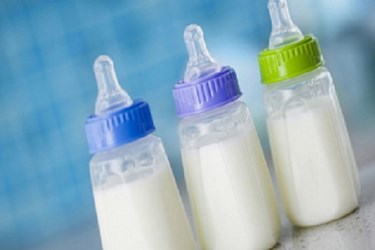
The new rule ensures safety and nutritional standards are met, while providing federally enforceable requirements and recourse against any manufacturers that fail to adhere to the rule’s specifications
The FDA has published its final rule regarding standards for infant formula. Although breastfeeding is strongly recommended for infants, most newborns in the U.S. rely on infant formula for at least some portion of nutrition. The rule establishes the Current Good Manufacturing Practices (GMP) specifically designed for infant formula, including required testing for the pathogens Salmonella and Cronobacter. Additionally, the rule establishes quality control procedures, requirements about how and when food producers must notify the FDA about new formulas and major changes to existing formulas, and requirements regarding record keeping.
FDA Access To Records Under FSMA
The intent of the rule is to ensure that formulas for healthy infants with no unusual medical or dietary problems are safe, nutritious, and support healthy growth. “The FDA sets high quality standards for the safety and nutritional quality of infant formulas during this critical time of development,” says Stephen Ostroff, M.D., acting chief scientist of the FDA. The final rule has some modifications, clarifications, and technical revisions that differ from the previous rule put in place February 10, 2014. Infant formula manufacturers must comply with the final rule no later than September 8, 2014.
In order to prove compliance, manufacturers are required to demonstrate that their infant formulas support normal physical growth. Furthermore, formulas must be tested for nutrient content during the final product stage, before entering the market, and at the end of the product’s shelf life. According to the FDA, companies currently manufacturing infant formula in the U.S. voluntarily adhere to many current GMPs and quality control procedures outlined in the rule already. Despite high levels of compliance, the rule will set in place federally enforceable requirements for the safety and quality of infant formula.
Although the FDA does not approve infant formulas before they can be marketed, all formulas marketed in the U.S. must adhere to federal nutrient requirements, which have not been affected by the new rule. The FDA conducts yearly inspections of all facilities producing infant formula, wherein product samples are collected and analyzed. If an infant formula product is determined to be a risk to human health, the manufacturer must issue a product recall.