
Basics Of Metal Detection In Food: Proven Physical Contamination Detection Solutions
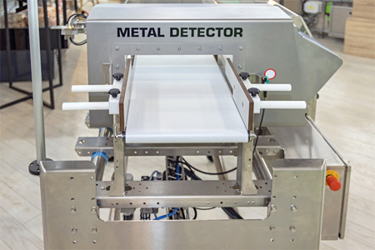
Physical contamination remains one of the most critical food safety challenges, making metal detection an essential part of modern quality assurance programs. Three key goals drive effective inspection strategies: protecting consumers, safeguarding brand reputation, and supporting compliance with food safety regulations and retailer requirements. Metal detection systems are designed to identify a wide range of contaminants—including ferrous, non-ferrous, and stainless-steel metals—across diverse food applications, from powders and granules to liquids, slurries, and packaged products. Understanding where and how to inspect products can help manufacturers reduce recalls, minimize equipment damage, and improve operational confidence. From incoming raw materials to in-line production monitoring and final quality checks, strategic placement of inspection systems strengthens contamination control throughout the production process.
Access the full infographic for a concise overview of detection principles, application types, and inspection best practices.
Get unlimited access to:




Enter your credentials below to log in. Not yet a member of Food Online? Subscribe today.