
5 Trends In Packaged Food Inspection

By Sam Lewis
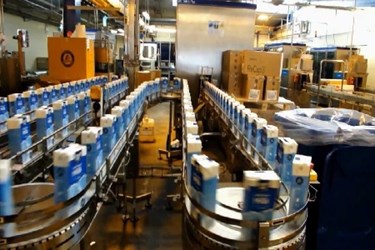
The safety of consumers has always been a major concern of food makers. However, upcoming food-safety regulations, such as FSMA, and ongoing recalls for foreign contaminants has furthered their worries. The possibility of facing substantial penalties for non-compliance has food manufacturers and processors leaning heavily on cutting-edge quality-control methods to keep consumers safe and protect their reputation. Below are five trends driving packaged food product inspection.
Remote Systems
Food makers are relying on remote connectivity to solve issues of manufacturing lines. Troubleshooting time is reduced to minutes or hours, rather than days through this capability, allowing more production and less downtime. Remote Systems offer a high-level of network security, many Internet access tools to solve problems in processing lines quickly and efficiently.
X-Ray Systems In Lieu Of Metal Detection
The cost and complexity of X-ray inspection systems has steadily decreased, while their precision and accuracy have been on the rise. X-ray systems offer better detection of foreign bodies, a lower cost to own, long-term reliability, and new models even offer recordkeeping abilities. Because of these factors, many food and beverage makers are replacing metal-detection systems with X-ray product inspection systems.
X-Ray Inspection Equipment 101: What You Should Know
Adaptable Equipment
The world’s largest food makers continually update manufacturing lines for new products or transferring products. This forces the systems used to be flexible, easy to reconfigure, and able to be quickly redeployed to new environments. Some features of these flexible systems include: wider conveyors, a broad range of operating speeds, adjustable line heights, modified rejection systems, and downloadable software updates.
Hygienic Design
Food manufacturers and processors are increasingly concerned with chemical and biological hazards. This has led to strict cleaning and sanitation regiments. A complete review of necessities in sanitary design should be completed and specific standards should be made know prior to implementing a product inspection system.
Identify Product Defects And Eliminate Contaminants With One Inspection System
Combined Systems
Lowest-cost and smallest-footprint equipment combines several functions into one product offering. These systems have grown more popular recently because of ease of operation, integrated data storage capabilities, and having multiple functions produced by a single source.